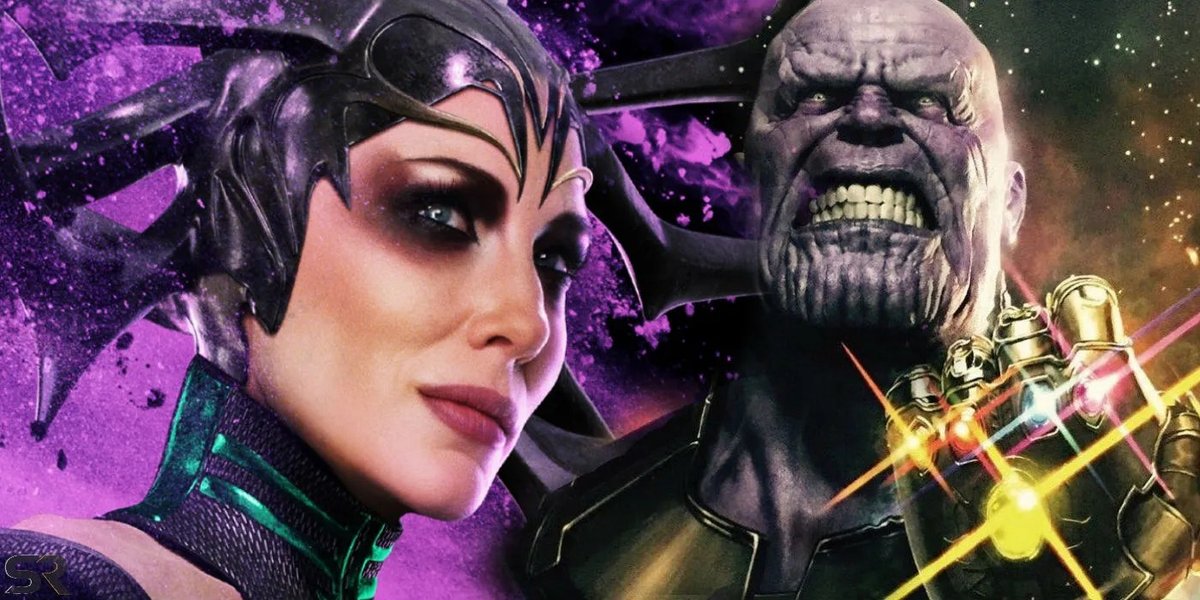
When the Goddess of Death shattered Mjolnir with a casual flick of her wrist, the Marvel Cinematic Universe was irrevocably changed. That singular, jaw-dropping moment marked the arrival of Cate Blanchett’s Hela, a character whose brutal elegance and overwhelming power instantly redefined what an MCU villain could be. Her indelible presence in Thor: Ragnarok cemented The Impact and Legacy of Cate Blanchett's Hela in the MCU, setting a new benchmark for antagonist design, performance, and narrative significance that still resonates today.
At a Glance: Why Hela Still Commands Attention
- First Major Female Villain: Hela broke ground as the MCU’s first truly formidable, central female antagonist.
- Performance Powerhouse: Cate Blanchett delivered an iconic portrayal, blending menace with regal flair.
- Fan-Inspired Design: Her distinctive visual appearance, particularly her evolving headdress, drew inspiration directly from fan makeup looks.
- Narrative Game-Changer: Hela's return forced Asgard to confront its dark past and pushed Thor towards his ultimate destiny.
- Lasting Influence: Her impact is seen in subsequent MCU villains, proving that a strong antagonist elevates an entire film.
A New Kind of Villainy: Hela's Unforgettable Arrival
Before Thor: Ragnarok, the MCU had a bit of a "villain problem." While characters like Loki offered complex motivations, many antagonists often felt disposable, lacking the lasting punch needed to truly challenge the Avengers' pantheon. They were often generic power-seekers, easily vanquished, or simply forgettable. Then, Hela emerged from the shadows, quite literally, with a devastating force that immediately put every prior MCU threat into stark perspective.
Her introduction wasn't just impactful; it was a statement. The shocking destruction of Mjolnir, Thor's unbreakable hammer and a symbol of his power, within moments of her appearance, announced a villain unlike any we had seen. This wasn't a baddie who needed to slowly build up her threat; Hela was the threat, fully formed and terrifyingly powerful from her very first scene.
Cate Blanchett’s performance as Hela was nothing short of a masterclass. She didn't just play a villain; she embodied divine malice. Her every gesture, from the casual arrogance of her stride to the chilling smile as she effortlessly cut down Asgardian soldiers, exuded an ancient, unshakeable power. Blanchett brought a Shakespearean gravitas to the role, transforming Hela from a mere antagonist into a force of nature driven by a thirst for vengeance and a claim to a throne she believed was rightfully hers. It was a portrayal that showcased that true power doesn't always need to shout; sometimes, a whisper is far more terrifying.
Significantly, Hela was the MCU's first major female villain, a groundbreaking moment that shattered previous conventions. Her power was never questioned, her femininity was never a weakness, and her motivations, however dark, were deeply rooted in a history she felt entitled to reclaim. She set a precedent, proving that female antagonists could be every bit as intimidating, complex, and iconic as their male counterparts, if not more so.
Behind the Veil: Crafting the Goddess of Death's Iconic Look
One of the most striking aspects of Hela is her instantly recognizable visual design. While faithful to her Marvel Comics origins, created by the legendary Stan Lee and Jack Kirby, the live-action interpretation carried a unique genesis. Cate Blanchett herself revealed that part of her inspiration for Hela's distinctive appearance came from an unexpected source: MCU fans.
Blanchett observed girls on YouTube creating intricate Hela makeup looks. These fan interpretations sparked an idea, pushing the character's visual design team to aim for something truly "distinctive" rather than a "faceless, generic baddie" once her iconic headdress was removed. This direct pipeline from fan creativity to major cinematic character design is a testament to Marvel Studios' innovative approach and their willingness to embrace community engagement.
The evolution of Hela's look throughout Thor: Ragnarok was a collaborative masterpiece. Blanchett worked closely with director Taika Waititi and various departments, including make-up, hair, motion capture, and special effects, to ensure Hela's visual journey mirrored her increasing power. As she absorbed more strength from Asgard, her regal, antler-like headdress grew more elaborate and menacing, a physical manifestation of her reawakened might. This meticulous attention to detail ensured that Hela wasn't just a powerful character, but a visually arresting one, reinforcing her status as the Goddess of Death.
Defining the Stakes: Hela's Narrative Significance in Thor: Ragnarok
Hela wasn't merely a formidable opponent; she was an essential catalyst for the transformation of Thor and the ultimate fate of Asgard. Her narrative purpose went far beyond simple conquest; she forced the very foundations of Asgardian history to crumble, revealing the dark secrets hidden beneath its golden veneer.
Her relationship to Odin and Thor wasn't just a generic family feud. Hela was Odin's firstborn, his enforcer during Asgard's bloody conquest phase, before he imprisoned her and rewrote history. Her return wasn't just an attack; it was a reckoning. She arrived to reclaim what she believed was her birthright, exposing Odin's past transgressions and forcing Thor to confront the uncomfortable truth about his family's legacy. This narrative depth added layers of complexity, making Hela a product of Asgard's own sins rather than just an external threat.
Hela's unwavering power and her ability to decimate Asgardian forces pushed Thor to his absolute limits. Her presence directly led to the destruction of Mjolnir, the blinding of one of his eyes, and ultimately, the necessity of Ragnarok itself – the prophesied end of Asgard. This wasn't merely a defeat; it was a rebirth. Thor's journey from relying on his hammer to embracing his innate lightning powers and understanding his true role as a leader was directly spurred by Hela's overwhelming challenge. She forced him to become the god he was always meant to be, making her an antagonist who actively contributed to the hero's development in a profound way.
Thor: Ragnarok itself, under Taika Waititi's unique direction, was a critical and commercial success, grossing a massive $854 million at the box office. Hela's compelling character and Blanchett's captivating performance were undoubtedly key contributors to the film's widespread appeal and its freshness within the MCU.
Beyond Ragnarok: Hela's Enduring Legacy
The impact of Cate Blanchett's Hela extends far beyond the fiery conclusion of Thor: Ragnarok. She fundamentally altered the landscape for future MCU villains, particularly for powerful female characters.
Hela set a new bar for what a truly terrifying and stylish antagonist could look like. Her blend of raw power, compelling motivation, and undeniable presence influenced subsequent villains to deliver more than just a fight. You can see echoes of her commanding screen presence in characters that followed, who needed to embody a significant, personal threat to the heroes.
Blanchett's portrayal also cemented a benchmark for performance. Her ability to convey immense power and ancient wrath with such nuanced control proved that even in a fantastical superhero movie, a top-tier acting talent can elevate the entire production. This raised expectations for future actors tackling villainous roles within the franchise, encouraging deeper character exploration and more memorable performances.
Hela's legacy isn't confined to live-action either. Cate Blanchett later lent her voice to the character in the animated series What If...?, specifically in the episode "What If... Hela Found the Ten Rings?". This return showcased her continued relevance and the character's enduring appeal, allowing fans to explore alternative realities where Hela's power and potential were redirected, further cementing her as a cornerstone of the Thor mythos within the wider MCU multiverse. It's a testament to a character's impact when she remains a compelling figure even outside her original narrative.
The Unmasking of a Goddess: Why Hela Resonates with Audiences
Hela's enduring popularity stems from several key factors that transcend her sheer power. She was never just a "baddie" for the sake of it; she had a deeply ingrained sense of purpose and a history that, while dark, felt strangely justifiable from her perspective.
Her motivations weren't simply about global domination or random destruction. Hela believed Asgard was hers. Her actions were fueled by a righteous fury at having been imprisoned and erased from history, denied her birthright and the glory she helped Odin achieve. This touch of nuance, this twisted sense of justice, made her more than a two-dimensional antagonist. Audiences could, in a perverse way, understand her anger, even if they abhorred her methods. This is why she was distinctive, not generic – a character with a rich, if violent, backstory that gave weight to her every action.
Furthermore, Hela possessed an unparalleled aesthetic. Her sleek, goth-influenced armor, her pale skin, and especially her evolving, spiky headdress made her visually captivating. This unique and powerful aesthetic, partly inspired by fan artistry, contributed significantly to her iconic status. She commanded attention not just with her power, but with her look, making her an instant fan favorite for cosplay and fan art. Her distinctiveness was carefully cultivated, ensuring she stood out in a universe filled with colorful heroes and villains.
Frequently Asked Questions About Hela
Is Hela truly dead?
In Thor: Ragnarok, Hela is seemingly killed in the explosion of Surtur after the fulfillment of Ragnarok, which destroys Asgard. While her physical form was incinerated, the MCU often leaves room for powerful entities to return, especially those tied to cosmic forces or death itself. As of now, her live-action fate remains ambiguous enough for theoretical return, though she hasn't appeared outside of What If...?.
Where does Hela rank among MCU villains?
Many fans and critics consider Hela among the very best MCU villains. Her sheer power, compelling motivations, Cate Blanchett's iconic performance, and her profound impact on Thor's character arc place her in the top tier, often alongside Thanos and Loki. She's frequently praised for raising the stakes significantly and being genuinely terrifying.
What inspired Hela's look, particularly her headdress?
Cate Blanchett, along with director Taika Waititi and the design team, drew inspiration from Marvel Comics while also incorporating modern influences. A unique aspect was Blanchett observing young girls on YouTube doing Hela makeup tutorials. These fan interpretations helped guide the character's visual design, ensuring she looked distinctive and powerful, rather than generic, especially when unmasked.
Learning from Hela: Lessons in Character Development and Villainy
Hela's success offers valuable insights for creators and audiences alike about the art of compelling storytelling within a sprawling universe.
The Value of a Strong Antagonist
Hela unequivocally proved that a truly great villain doesn't just provide conflict; they elevate the hero. Without Hela's overwhelming power and personal connection to Thor's past, his journey to becoming "God of Thunder" would have felt far less earned. She was the crucible in which a new, stronger Thor was forged. Her presence underscores that a hero is only as great as the challenges they overcome.
The Importance of Vision and Collaboration
The seamless integration of Hela's character, from her initial concept to her on-screen presence, highlights the power of a unified creative vision. The collaboration between Cate Blanchett, Taika Waititi, and various production departments (makeup, hair, VFX) ensured that every aspect of Hela, from her look to her movements, contributed to her unforgettable impact. It's a masterclass in how different creative elements can coalesce to form a truly iconic character.
Embracing Fan Input
The revelation that fan makeup videos influenced Hela's visual design is a unique and refreshing aspect of her creation story. It demonstrates a rare instance where a major studio actively listened to and incorporated elements from its passionate fanbase, proving that inspiration can come from anywhere, even the very audience consuming the content. This approach fostered a deeper connection with the character, allowing fans to feel a sense of ownership and validation.
Looking Ahead: The Echoes of Hela in the MCU's Future
Hela's legacy continues to reverberate through the MCU, influencing how future antagonists are conceived and presented. She set a high bar for power, narrative depth, and visual panache that few have matched since. Her introduction solidified the idea that cosmic threats could be deeply personal, and that even a universe-ending event like Ragnarok could be driven by familial betrayal and a quest for forgotten history.
Her shadow looms large, reminding us of the MCU's capacity for creating truly memorable villains who leave an indelible mark. Every subsequent powerful female character or antagonist benefits from the trail Hela blazed, proving that complex, formidable women are not just welcome but essential to the narrative fabric of the MCU.
Unleashing Your Inner Hela: Further Exploration
If Cate Blanchett's Hela has captivated your imagination, there's always more to uncover. Revisit Thor: Ragnarok to appreciate the nuances of her performance and the meticulous design that went into her character. Delve into her comic book origins, where Stan Lee and Jack Kirby first brought the Goddess of Death to life, to see how the live-action portrayal both honored and expanded upon her legacy.
Engage in discussions online, exploring fan theories about her potential return or debating her placement among the MCU's greatest villains. Explore Cate Blanchetts Hela and her journey, from her fan-inspired visuals to her destructive reign, and you’ll find that her impact on the Marvel Cinematic Universe is as vast and powerful as the Goddess of Death herself.